







Search Results for: Coffee Bean Blends
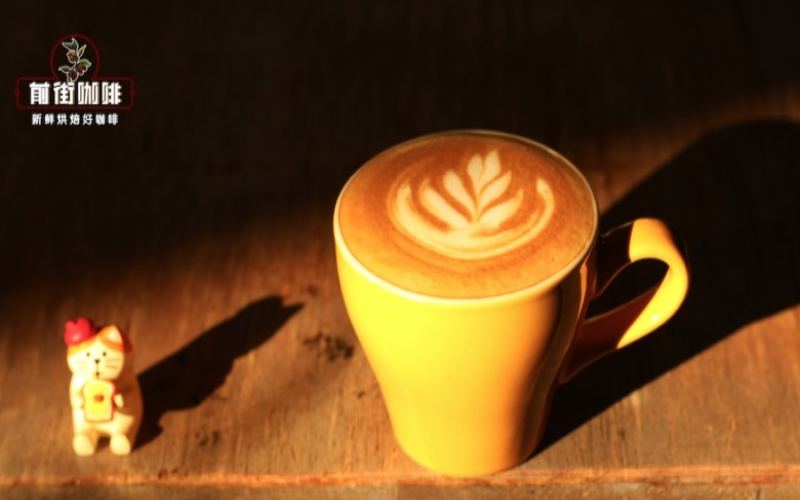
Bean Choices for Latte: From Classic Blends to Fruity Blends
The choice of beans for a latte determines the flavor direction of the final drink. From classic rich blends to fruity blends, different bean types each have their own characteristics when used in a latte. Understanding how different beans perform in a latte gives you a richer range of options when selecting beans. Classic rich blends are the traditional choice for a latte. Front Street Coffee's classic blend is made from [more…]
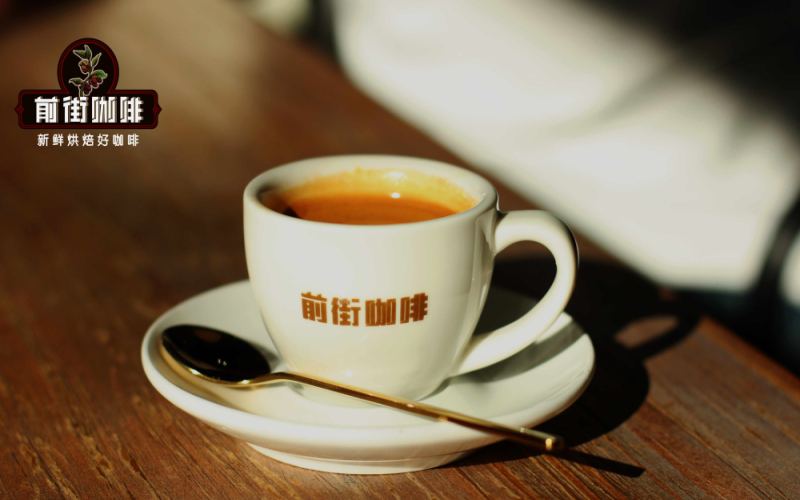
How to Choose Espresso Beans? Blends vs. SOE Differences and a Guide to Four Front Street Coffee Espresso Bean Recommendations
To make an espresso with a balanced mix of acidity, sweetness, and bitterness, choosing the beans is the first step. Espresso beans mainly fall into two categories: SOEs that highlight a specific region's flavors, and blends that aim for a balanced taste—most cafés go with the latter. The reason is that blends can make up for the shortcomings of a single origin's incomplete flavor profile, while also keeping the taste consistent year-round. When it comes to roasting, blends follow two paths—pre-blending raw beans or post-blending roasted beans—each with its own trade-offs. Front Street Coffee offers four blends for different needs: Sunflower Warm Sun, Specialty Blend, Commercial Blend, and Black Cocoa Blend, each suited to different shops and home scenarios. This article will walk you through all of this systematically to help you find the espresso bean that's right for you. [more…]
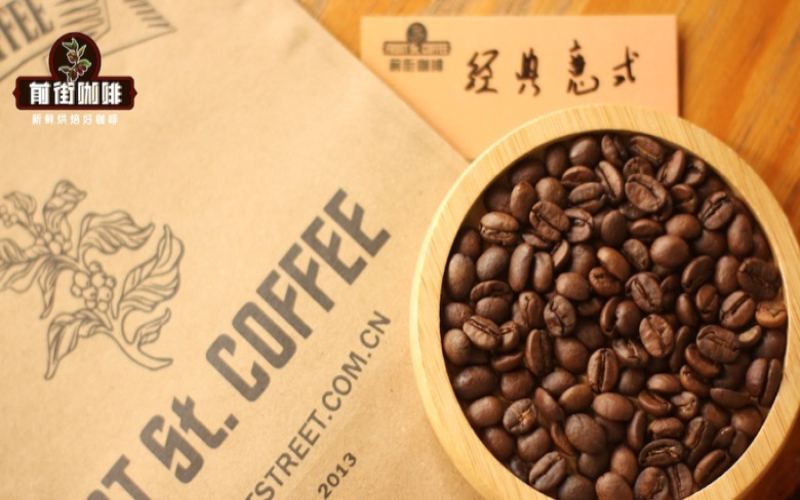
An Advanced Bean List for Home Machine Users: A Nine-Coffee Route from Blends to Single Origins
Home espresso enthusiasts all reach a point: once you've settled into a comfortable daily blend, you start wanting to see farther horizons. This article lays out a progressive bean list route, with nine beans arranged by style progression, each step having a clear flavor goal. The starting station is the depth of blends. Commercial blends and specialty blends solve the "easy everyday drinking" [more…]
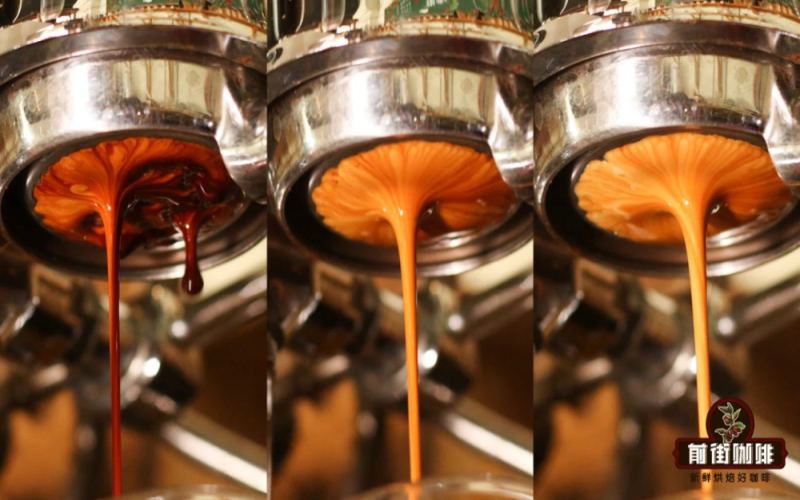
Front Street Coffee's Four Italian-Style Blend Beans Flavor Analysis: A Comprehensive Overview from Raw Blends and Roasted Blends to SOE and Classic Recipes
The development of espresso blends has undergone an evolution from traditional dark-roasted blends with Robusta beans to modern specialty blends. In this article, Front Street Coffee systematically sorts out the core logic of espresso blending: why blending is necessary, the respective advantages and disadvantages of blending green beans versus blending roasted beans, the rise and limitations of the SOE trend, and provides a detailed introduction to four representative espresso blend recipes—Front Street Specialty Blend, Front Street Commercial Espresso Blend, Front Street Dark Cocoa Blend, and Front Street Strawberry Candy Espresso Blend—covering the flavor characteristics and roasting approaches of beans from origins such as Colombia Huila, Brazil Cerrado, Yunnan AA, and Indonesia Mandheling, and finally attaching ratio instructions for espresso, latte, cappuccino, flat white, and other fancy coffee drinks, providing coffee enthusiasts and industry professionals with a complete framework for understanding blending. [more…]
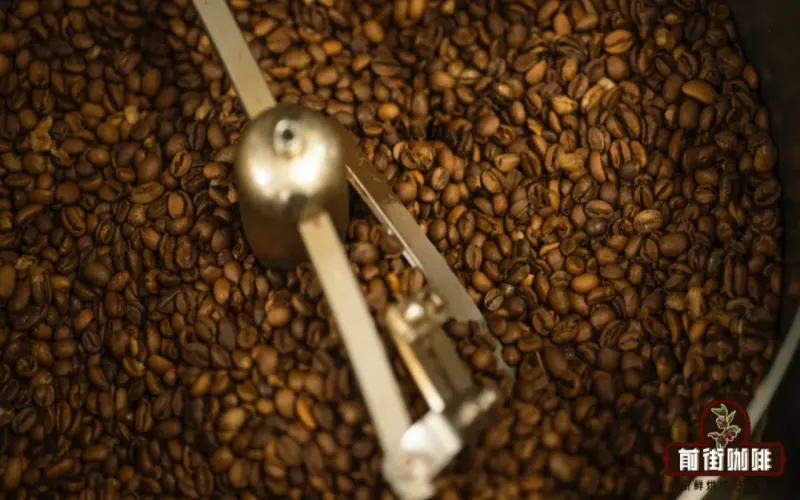
A Comprehensive Analysis of Coffee Blends: Differences Between Espresso Blends and Single-Origin Beans, and How to Choose Between Pre-Roast and Post-Roast Blending
Blended coffee beans have attracted increasing attention in recent years, and even the pour-over coffee scene has begun to adopt them widely. Front Street Coffee has pointed out in past articles that single-origin coffee beans often struggle to achieve an ideal state in both flavor and mouthfeel at the same time, while through blending, it is possible to create a coffee bean that combines flavor, mouthfeel, and a unique character. However, blended beans involve two different modes—raw blending and roasted blending—which has also led many enthusiasts to wonder: which method is actually better? This article will systematically sort out the meaning of blended coffee beans, distinguish the differences between espresso blends and single-origin beans, and take a deeper look at the logic and applicable scenarios of raw blending and roasted blending respectively, helping readers fully understand how to choose blended coffee beans. [more…]
Espresso Blends vs. Single-Origin Beans: A Complete Guide to Espresso and Regular Coffee Brewing Recommendations
Coffee beans can be divided by origin into blends and single-origin beans. The former is commonly used for espresso, while the latter appears more often in pour-over or SOE. Starting from definitions, this article sorts out how espresso blends achieve flavor balance and complementarity by mixing beans from different origins, and introduces the rise and characteristics of SOE (Single Origin Espresso). The article also recommends Front Street Coffee's Classic Blend, Dark Cocoa Basic Blend, and several SOE beans, covering dimensions such as crema, mouthfeel, and value for money. Whether you are after rich crema or distinctive fruit acidity, you can find a suitable brewing direction. [more…]
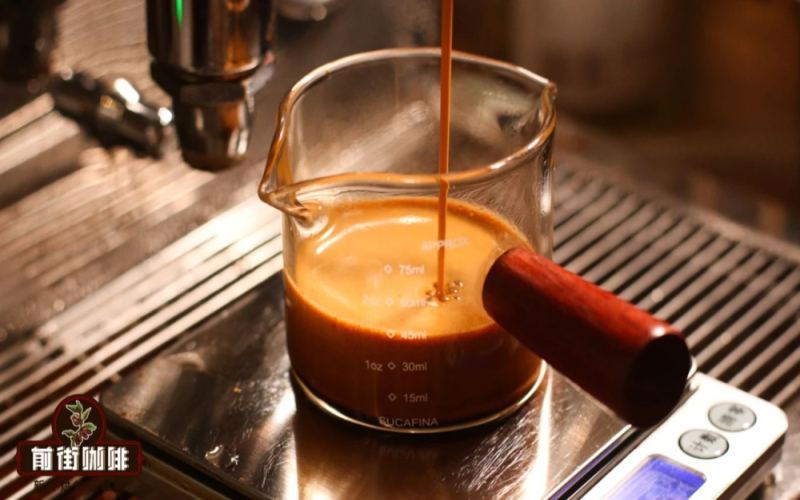
How Exactly Are Coffee Blends Formulated? The Differences Between Espresso and Single-Origin Blends, and Approaches to Yunnan Coffee Blending
The debate between blends and single-origin coffee has a long history; each has its own strengths, and there is no absolute winner. So-called blended coffee beans are made by mixing multiple kinds of coffee beans in different proportions to achieve flavor expressions that a single bean variety struggles to present. It serves both the stable extraction of espresso and the possibilities of flavor exploration. From the perspective of Front Street Coffee, this article sorts out the core purposes of blending, the four major principles, and common misunderstandings, explains the differences between espresso blends and single-origin blends, and introduces the Mamba recipe, Yunnan coffee blending ideas, as well as the flavor positioning and suitable scenarios of several Front Street espresso blend beans. [more…]
What Is an Espresso Blend Coffee Bean? A Full Analysis of Front Street Coffee's Four Blends and Suitable Bean Varieties
Not all coffee beans are suitable for making espresso. Pressure extraction of light-roasted beans tends to amplify acidity, and espresso blends are created precisely for this purpose. From the perspective of Front Street Coffee, this article explains why blends are more suitable for espresso machines than single-origin beans, the difference between SOE and blends, the relationship between dark roasting and crema and carbon dioxide, and provides a detailed introduction to the recipes, flavors, and target audiences of Front Street Coffee's four blends: Warm Sun, Specialty, Commercial, and Dark Cocoa. It also reminds readers of the necessity of resting freshly roasted beans. [more…]
Espresso Bean Buying Guide: The Difference Between Blends and SOE, Plus Five Espresso Beans for Home Use by Flavor
Many coffee enthusiasts, when choosing espresso beans, often assume that only blends can do the job. In fact, single-origin beans can now also be used as espresso beans, known as SOE. Faced with a dazzling array of choices on the market, how to pick a bag of espresso beans suitable for a home coffee machine with outstanding flavor has become a key step in making good coffee. This article will start from the basic concepts of espresso beans, explain the differences between blends and SOE, and sort out the three major purposes of blending—price, stability, and flavor. On this basis, combined with most people's taste preferences, it will introduce five popular espresso beans, including Front Street Classic Espresso Blend, Specialty Blend, Strawberry Candy Espresso Blend, Commercial Blend, and Dark Cocoa Blend, corresponding respectively to different needs such as rich aroma, nuts, floral and fruity notes, coffee shop style, and high cost-effectiveness. Finally, it emphasizes the decisive influence of coffee bean freshness on flavor. [more…]
Why Is SOE Coffee More Expensive Than Blends? Defining Single-Origin Espresso and Blends, and Analyzing Their Flavor Differences
In recent years, SOE single-origin espresso has rapidly gained popularity in China's coffee scene, with many chain brands leveraging it to create their own signature offerings, forming a new trend. What exactly is the difference between SOE and espresso blends? Why is the price of SOE generally higher than that of blend beans? This article starts with the definitions, roasting approaches, and flavor presentation of the two, analyzing one by one how factors such as bean grade, roasting control, and brewing difficulty drive up the cost of SOE, and combines Front Street Coffee's store experience to share key points on bean selection, extraction parameter adjustment, and freshness management when making SOE at home, helping you easily brew a cup of excellent single-origin espresso. [more…]
How to distinguish Italian-style blends from SOE? Three core criteria for beginners when buying coffee beans
Is espresso blend coffee considered black coffee? And how should one choose between blend beans and SOE? This article starts from the essential differences between blends and single origins, systematically sorting through the three key dimensions that beginners cannot overlook when selecting espresso beans—freshness, roast level, and crema performance—and introduces one by one four distinctive blend coffees from Front Street Coffee, covering nutty-chocolate notes, rich and full-bodied notes, mildly acidic and balanced notes, and floral-fruity notes, helping coffee lovers find the one that suits them best, whether for daily drinking or as a latte art base. [more…]
Bean blend combinations for commercial espresso blends: the ratio logic of Arabica and Robusta
There is a clear difference between commercial blends and home-use beans: they must simultaneously satisfy three conditions—flavor, cost, and consistency. And the combination of bean varieties in a blend, especially the ratio of Arabica to Robusta, is often the key to whether these three conditions can be balanced. Arabica beans are the flavor powerhouse. They bring floral notes, fruity acidity, and a solid [more…]
Espresso Bean Selection Guide: How to Match Dark Roast Blends and Light Roast Single Origins to Latte and Americano Needs
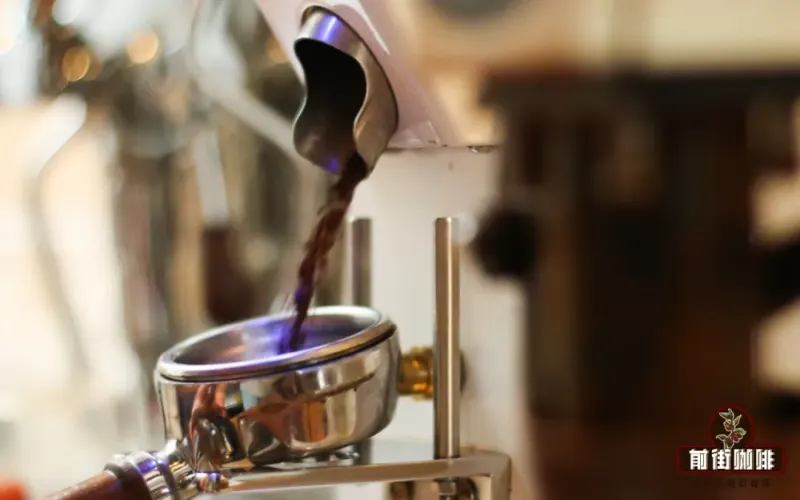
Faced with a dazzling array of coffee beans, how do you choose the one most suited for making espresso? The answer isn't unique—the key lies in what kind of flavor profile you're after. Some seek a rich, acid-free, full-bodied latte base; some prefer a bright, fruity, clean-tasting Americano style; and others want a balance of both—distinctive yet harmonious. Starting from the actual needs of Front Street's stores, this article systematically sorts through the characteristics and suitable scenarios of dark-roast blends, medium-light roast single origins, and anaerobic-process beans according to different taste preferences, helping you quickly pinpoint the espresso bean that best fits your needs from Front Street's extensive bean list. [more…]
Bean Exploration on De'Longhi Machines: Performance of Blends and SOE
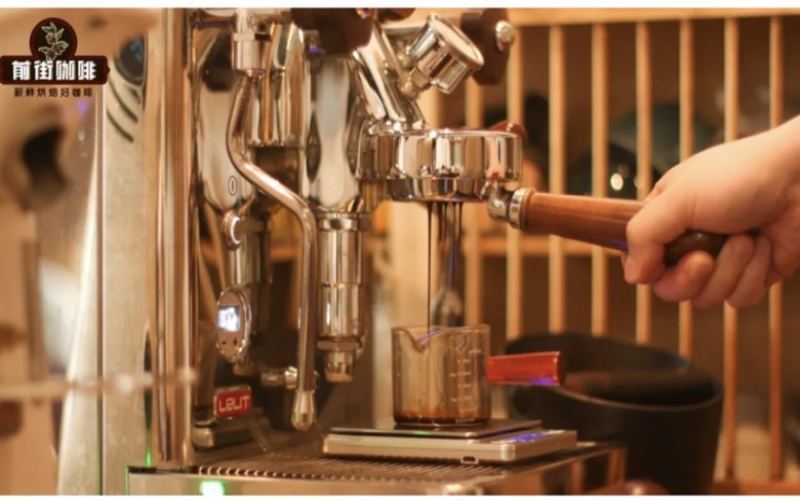
De'Longhi home espresso machines are not just for blend beans—using single-origin beans to make SOE also lets you experience the concentrated expression of a region's flavor in espresso form. On a De'Longhi machine, exploring step by step from blends to SOE, the flavor experience becomes richer and richer. The performance of blend beans on a De'Longhi machine is mainly about consistency. Front Street Coffee's classic blend uses a Mamba recipe [more…]

Why Do Espresso Beans Favor Blends and Dark Roasts? An Analysis of Front Street Coffee's Four Espresso Blends and Their Extraction Parameters
Walking into any independent coffee shop, the choice of espresso beans often follows its own logic, yet chain brands manage to maintain a consistent flavor—and behind this lies the art of blending and roasting. Why doesn't espresso use single-origin beans? What problem does blending actually solve? What role does dark roasting play? Drawing on the hands-on experience of Front Street Coffee, this article sorts out the definition and advantages of espresso blend beans, introduces four Front Street espresso blend recipes—Specialty Blend, Commercial Blend, Dark Cocoa Blend, and Sunflower Warm Sun—and breaks down one by one the six major variables of water pressure, water temperature, grind size, dose, extraction time, and yield, helping coffee enthusiasts understand the logic behind the birth of a balanced espresso. [more…]
The Complete Guide to SOE Single-Origin Espresso: Flavor Differences from Espresso Blends and Key Points for Bean Selection and Roasting
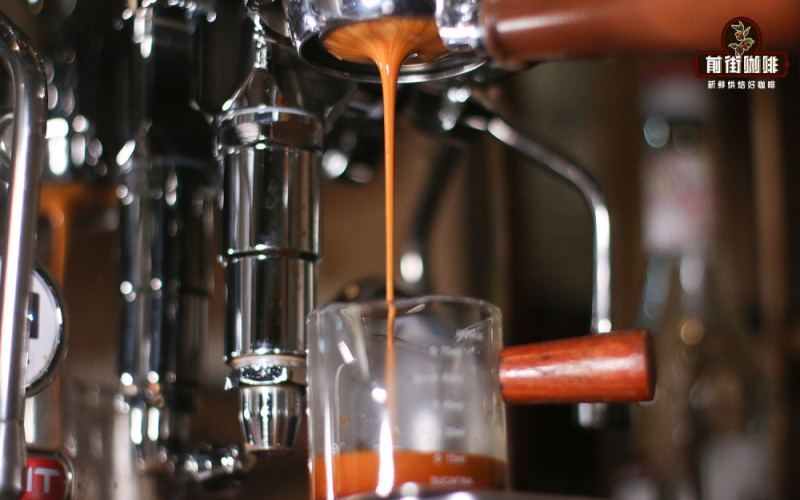
In recent years, the specialty coffee wave has driven the popularity of SOE, but many enthusiasts still can't distinguish it from traditional espresso blends. From the perspective of Front Street Coffee, this article systematically explains the definition, flavor characteristics, and production challenges of SOE, compares the advantages of blends in balance and stability, and recommends beans suitable for SOE—such as sun-dried Red Cherry and Sidra. It also provides in-depth analysis of roasting curves, extraction parameter adjustments, and milk ratio control, helping you make a single-origin espresso with clear flavor and no loss of balance at home or in your shop. [more…]
How to Choose Between Espresso Blends and SOE: Balancing Budget and Drinking Frequency
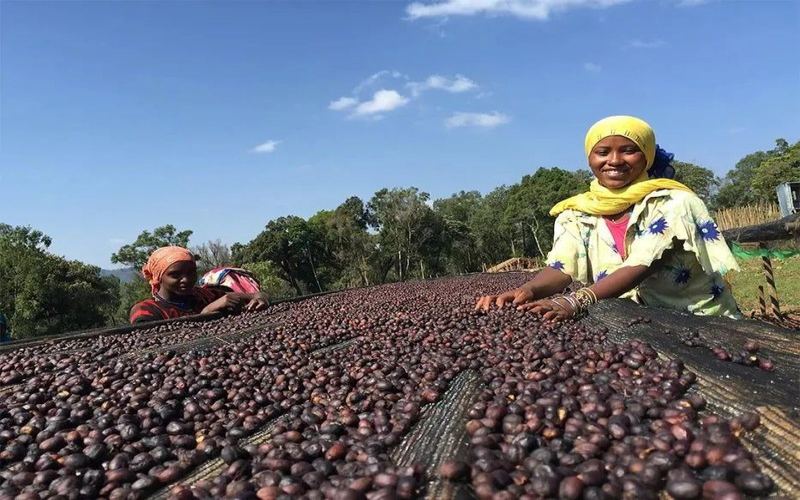
When it comes to espresso blends and SOE, we should start with the actual taste in the cup. For everyday bean buying, you need to consider how quickly you'll drink them, how much to buy at once, and whether you mainly make black coffee or milk coffee at home. The roast level of coffee beans determines the basic taste, the origin and processing method bring aroma differences, and the equipment you use will change the concentration, so when choosing beans you need to take [more…]
How to Choose Everyday Espresso Beans: A Guide to Blends and SOE Selection, Plus Five Front Street Coffee Recommendations
To make a balanced espresso with sweetness, acidity, and bitterness at home using a coffee machine, choosing the right beans is the first step. Espresso beans on the market generally fall into two categories: SOE, which emphasizes the flavor of a single origin, and blended beans, which pursue stability and balance—most cafés choose the latter. This article begins with the definition, advantages, and characteristics of blended beans, explains the trade-offs between two processing methods—pre-roast blending and post-roast blending—and compiles five distinctive and cost-effective blend options from Front Street Coffee, covering Specialty Blend, Commercial Blend, Dark Cocoa, Sunflower Warm Sun, and Strawberry Candy. Finally, it includes a Huakui bean suitable as an introductory SOE, helping you quickly lock in the right everyday beans based on your shop size or home needs. [more…]
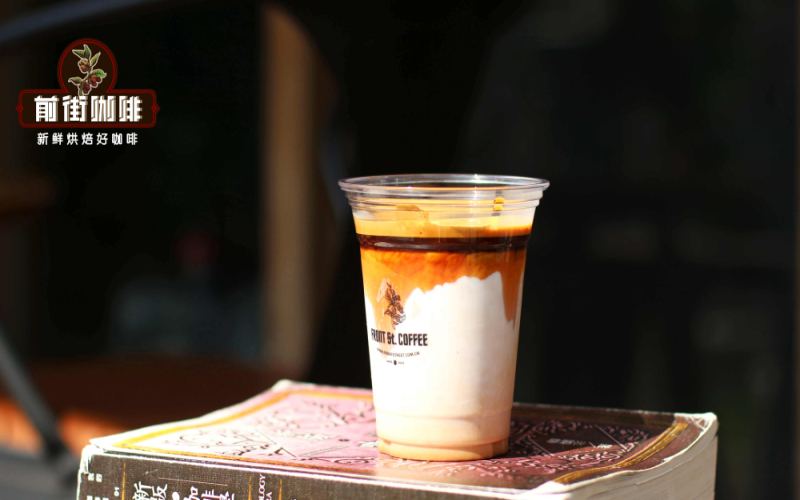
How to Choose Espresso Blend Coffee Beans for Home Use? A 2026 Flavor Analysis of Five Front Street Coffee Blends
The charm of espresso blends lies in combining beans from different origins to create a balanced flavor that a single origin cannot achieve. A qualified espresso shot should not have unpleasant tastes such as sharp acidity or bitterness, and blending is precisely what can achieve a 1+1>2 effect. Front Street Coffee, based on the different needs of home users and coffee shops, has launched five distinctive espresso blends, covering classic richness, nutty balance, floral and fruity sweetness, commercial high-crema, and high-value black cocoa flavor. This article will analyze each blend one by one in terms of origin composition, roast level, and suitable scenarios, helping coffee lovers find the bean that best suits their taste in 2026. [more…]
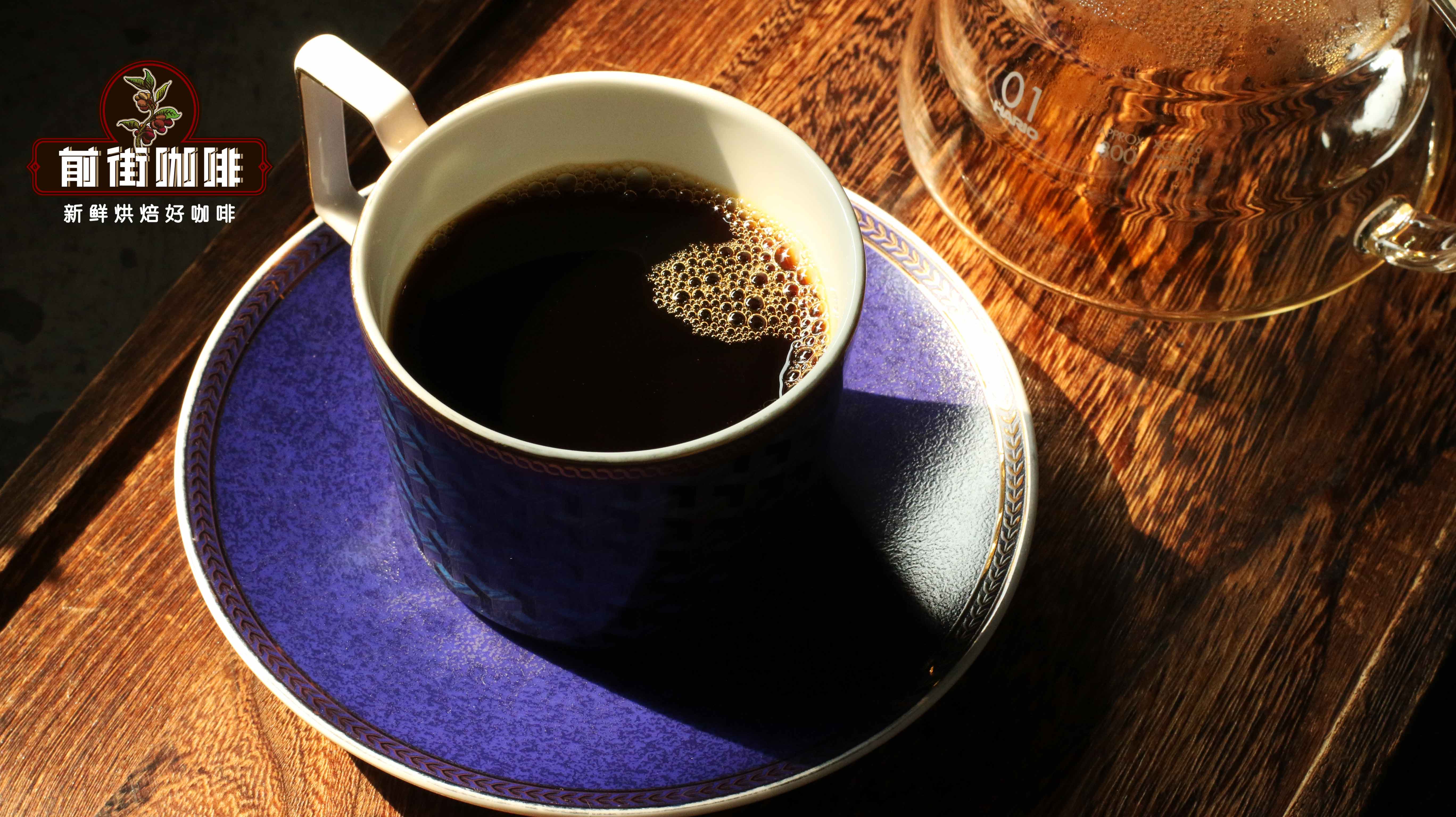
Exploring Medium-Dark Roast Differences in Brazilian Coffee Beans: Espresso Blends and Specialty Bean Recommendations Based on Flavor and Mouthfeel
As the world's largest coffee producer, Brazil is known for coffee beans that are balanced, smooth, and highly versatile, which allows them to develop distinctly different flavor profiles under medium and dark roasts. A medium roast better highlights the nutty sweetness and delicate acidity of Brazilian beans, making it suitable for single-origin or blended coffees; a dark roast intensifies the rich body and caramel-cocoa notes, making it a frequent choice for espresso blends. This article will start with roasting differences and, combined with several classic blends and single-origin beans from Front Street Coffee, provide coffee lovers with a clear reference for choosing. [more…]